ES ▾
Limpieza de residuos biológicos en transporte público en Cincinnati, OH
Desde trabajos pequeños hasta grandes proyectos, nuestros profesionales locales de limpieza de residuos biológicos en transporte público en Cincinnati lo hacen bien, con precios honestos y transparentes y programación rápida.
Qué incluye
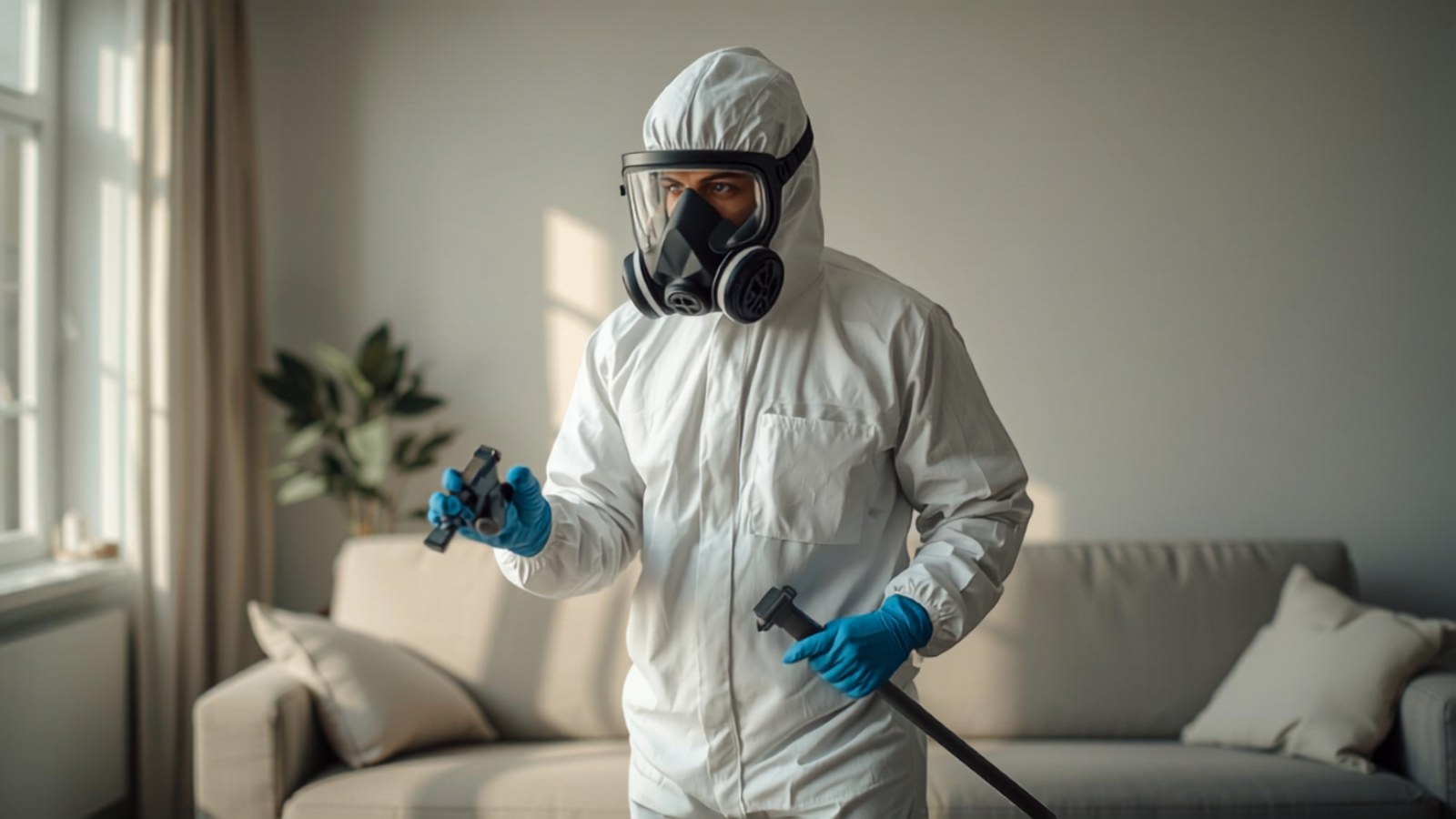
Limpieza de desechos biopeligrosos en transporte público
Desde reparaciones urgentes hasta instalaciones programadas, el equipo autorizado de Limpieza por Fallecimiento Cincinnati se encarga de la limpieza de residuos biológicos en transporte público en Cincinnati, con precio acordado antes de comenzar.
How it works
Preguntas frecuentes sobre limpieza de residuos biológicos en transporte público
¿Qué servicios de limpieza de residuos biopeligrosos ofrecen en Cincinnati?+
¿Los profesionales de limpieza de biopeligros están licenciados y asegurados en Ohio?+
¿Qué tan rápido pueden responder en Cincinnati?+
¿Ofrecen presupuestos gratuitos?+
¿A quién llamo para una emergencia de limpieza de biopeligros en Cincinnati?+
¿Cómo puedo verificar que una empresa de limpieza de biopeligros en Cincinnati está licenciada y es legítima?+
Public Transit Biohazard Cleanup in Cincinnati
Public transit biohazard cleanup in Cincinnati involves the specialized removal and decontamination of biological hazards from buses, trains, streetcars, and transit stations. Unlike standard cleaning services, this work addresses incidents such as blood spills, bodily fluids, drug paraphernalia, or unattended deaths that occur within the confined spaces of public transportation vehicles or platforms. The process begins with a thorough assessment by trained technicians who wear personal protective equipment to prevent exposure to pathogens like hepatitis, HIV, or MRSA. Every contaminated surface—from seats and handrails to floors and windows—is treated with EPA-registered disinfectants that neutralize infectious materials. Technicians use techniques like physical removal of solid waste, enzymatic cleaners for organic stains, and fogging for hard-to-reach areas. Once the area is decontaminated, they verify cleanliness with ATP testing to ensure no traces of harmful substances remain. This matters for Cincinnati because public transit is a shared environment where hundreds of riders pass through daily. A single biohazard incident can disrupt service, pose health risks to passengers and employees, and damage the reputation of transit systems that rely on public trust. Proper cleanup minimizes downtime, prevents cross-contamination, and restores vehicles to safe operation quickly.
In Cincinnati, where the Southwest Ohio Regional Transit Authority (SORTA) operates Metro buses and the Cincinnati Bell Connector streetcar runs through downtown, biohazard incidents can occur in high-traffic areas like transit hubs or on vehicles during peak hours. The cleanup process is distinct from janitorial work because it requires compliance with OSHA bloodborne pathogen standards, proper disposal of biohazardous waste in red bags, and documentation for liability purposes. Technicians must navigate tight spaces like bus aisles or train compartments without spreading contaminants, which demands precision and experience. They also address secondary issues such as odor removal using ozone treatments or industrial-grade deodorizers, ensuring the vehicle is not only clean but also pleasant for riders. For Cincinnati properties like transit stations, cleanup extends to waiting areas, restrooms, and ticket machines, where biohazards can linger unnoticed. By handling these situations discreetly and efficiently, the service helps maintain the flow of public transit in a city where residents rely on it for commuting, errands, and events.
Areas We Cover in Cincinnati
We provide public transit biohazard cleanup across Cincinnati, including neighborhoods such as Avondale, Bethlehem, Betts-Longworth Historic District, Bond Hill, Botany Hills, and the Brewery District. Our coverage extends to transit stops and stations near local landmarks like 12th Street Pilates, 16-Bit Bar+Arcade, 1883 Café & Bar, and 19something Cocktail Lounge. Whether the incident occurs on a Metro bus route through Bond Hill or at a streetcar stop near the Brewery District, our team is prepared to respond to any location within the city limits.
What to Expect
When you request public transit biohazard cleanup in Cincinnati, here is what the process involves:
- A rapid assessment of the affected transit vehicle or station area to determine the scope of contamination.
- Containment of the area to prevent exposure to passengers or transit staff during cleanup.
- Removal of all biohazardous materials using specialized tools and disposal methods.
- Disinfection and sanitization of every surface, including upholstery, flooring, and handrails.
- Final verification with testing to confirm the area is safe for public use.
For immediate assistance with public transit biohazard cleanup in Cincinnati, contact Death Cleanup Cincinnati today to schedule a professional response. We are here to restore your transit vehicles and stations to a safe, clean condition.