ES ▾
Control de Residuos Infecciosos en Cincinnati, OH
Desde trabajos pequeños hasta grandes proyectos, nuestros profesionales locales de control de residuos infecciosos en Cincinnati lo hacen bien, con precios honestos y transparentes y programación rápida.
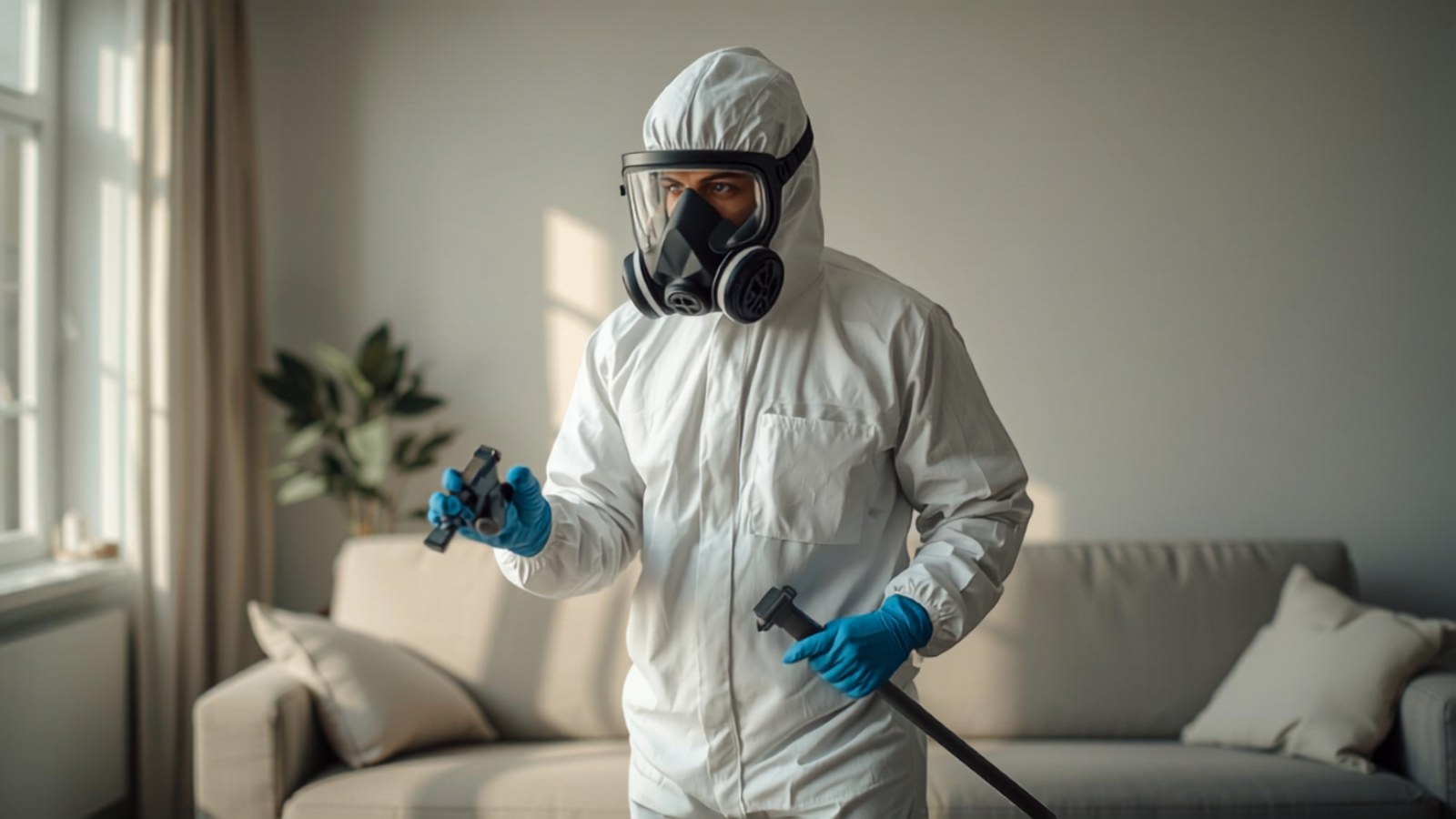
Qué incluye
Control de Residuos Infecciosos
Desde reparaciones urgentes hasta instalaciones planificadas, el equipo con licencia de Limpieza por Fallecimiento Cincinnati se encarga del control de residuos infecciosos en Cincinnati, con precio acordado antes de empezar.
How it works
Preguntas Frecuentes sobre Control de Residuos Infecciosos
¿Qué métodos de pago aceptan?+
¿Cuánto cuesta la limpieza de residuos biopeligrosos en Cincinnati?+
¿Por qué elegir Limpieza por Fallecimiento Cincinnati?+
¿Qué servicios de limpieza de residuos biopeligrosos ofrecen en Cincinnati?+
¿A quién llamo para una emergencia de limpieza de biopeligros en Cincinnati?+
¿Cómo puedo verificar que una empresa de limpieza de biopeligros en Cincinnati está licenciada y es legítima?+
Infectious Waste Control in Cincinnati
Infectious waste control in Cincinnati involves the systematic identification, containment, removal, and decontamination of materials that pose a biological hazard due to their potential to transmit pathogens. This includes items contaminated with blood, bodily fluids, sharps (such as used needles or scalpels), microbiological cultures, and pathological waste like tissue or organs. Unlike general biohazard cleanup, which may address visible messes, infectious waste control requires strict adherence to OSHA and CDC protocols for handling, packaging, and disposal. The work begins with a site assessment to determine the categories of waste present, followed by the use of color-coded, leak-proof containers and autoclave-safe bags for segregation. A certified waste hauler then transports the material to a permitted treatment facility, where incineration or steam sterilization neutralizes the infectious agents. For Cincinnati properties—such as medical offices in Over-the-Rhine, research labs in the University of Cincinnati corridor, or residential spaces following a death or illness—this process is critical because local landfills and standard waste streams cannot accept these materials. Improper disposal risks contamination of the city’s sewer systems or groundwater, especially in older buildings with shared plumbing or basement storage areas.
The importance of infectious waste control extends beyond immediate cleanup to long-term safety compliance. In Cincinnati, where zoning regulations and health department inspections vary by neighborhood, property owners must ensure that waste is not only removed but also documented with proper manifests for liability protection. The process includes wiping down all surfaces in the affected area with EPA-registered disinfectants effective against bloodborne pathogens, followed by verification using ATP testing or fluorescent markers to confirm no residual contamination. For properties like clinics in Bond Hill or group homes in Avondale, this step is essential to prevent fines or legal action from local authorities. Additionally, we manage any odors from decomposition or chemical disinfectants with industrial-grade air scrubbers and ozone treatments, ensuring the space is safe for reoccupancy without lingering health risks. This is not a standard janitorial task; it requires specialized training in handling sharps disposal, managing spills of large volumes of bodily fluids, and navigating Cincinnati’s waste transport regulations. By addressing each category of infectious waste with its own protocol—from red bag waste to pathological samples—we prevent cross-contamination and protect the community’s health.
Areas We Cover in Cincinnati
We serve all Cincinnati and its surrounding neighborhoods, including Avondale, Bethlehem, Betts-Longworth Historic District, Bond Hill, Botany Hills, and the Brewery District. Our team responds to properties near local landmarks such as 12th Street Pilates in Over-the-Rhine, the 16-Bit arcade on Walnut Street, 1883 Café & Bar at the Banks, and 19something in Pendleton. Whether your property is a residential unit in Avondale or a commercial space near the Brewery District, we bring the same level of protocol compliance and discretion to every infectious waste control job.
What to Expect
When you schedule infectious waste control with us, you can expect the following:
- A thorough assessment to identify all categories of infectious waste present, including sharps, pathological materials, or contaminated linens.
- Use of personal protective equipment (PPE) and industry-standard packaging, such as UN-approved sharps containers and biohazard bags with clear labeling.
- On-site decontamination with hospital-grade disinfectants, followed by air quality monitoring to ensure no airborne pathogens remain.
- Proper documentation and chain-of-custody paperwork for disposal, meeting Cincinnati’s environmental health requirements.
- Complete removal of all waste from the property, leaving no trace of the hazard.
For professional infectious waste control in Cincinnati, contact Death Cleanup Cincinnati today. We are ready to handle your property’s needs with discretion and full regulatory compliance. Call us to schedule an assessment and ensure your space is safe again.